9878 State Highway 16 S
About this property
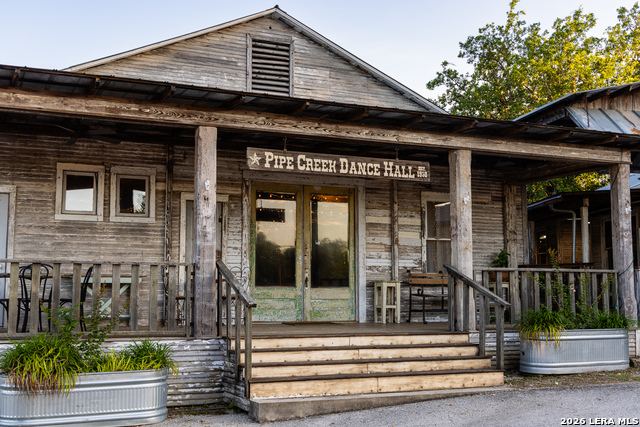
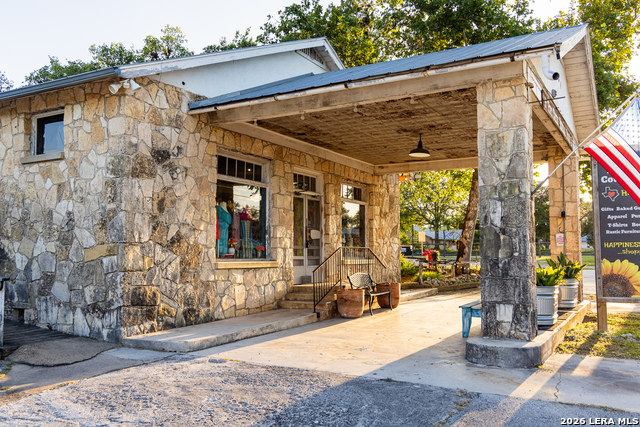
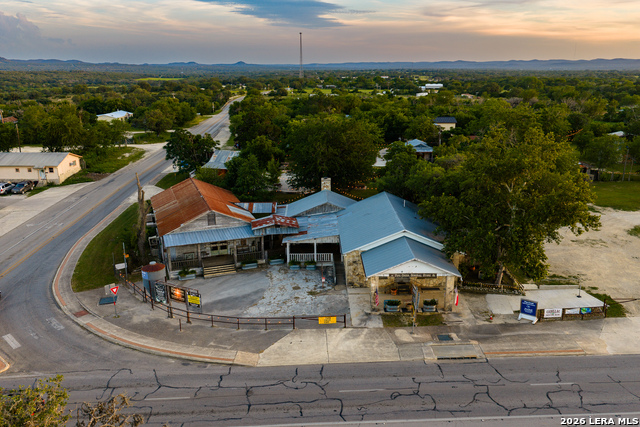
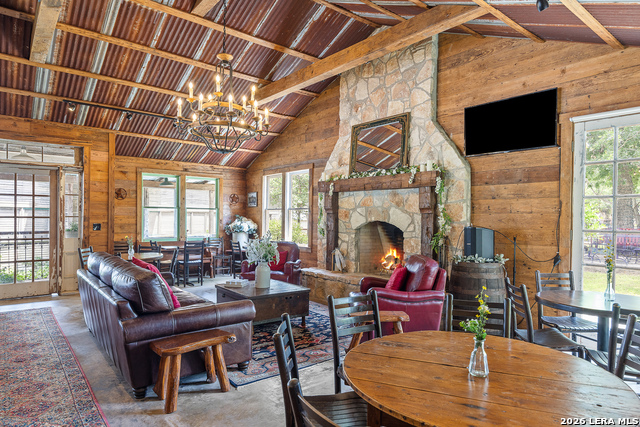
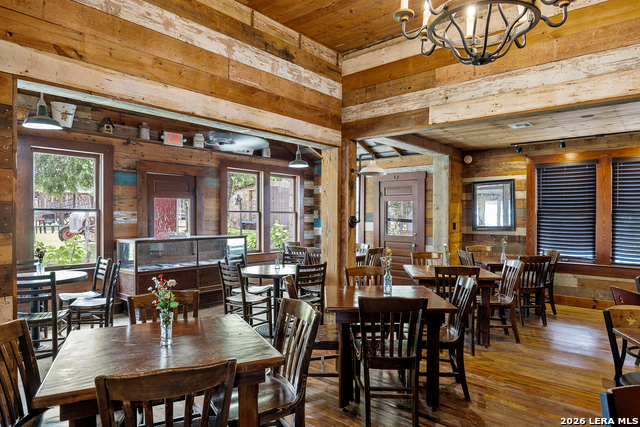
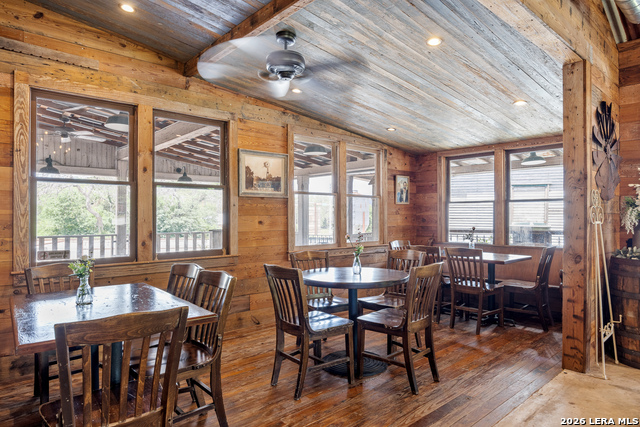
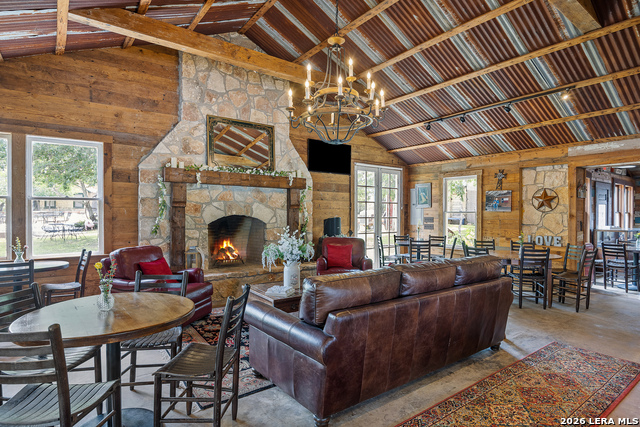
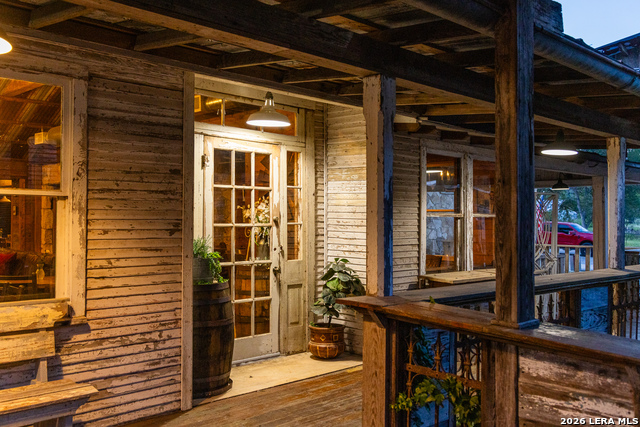
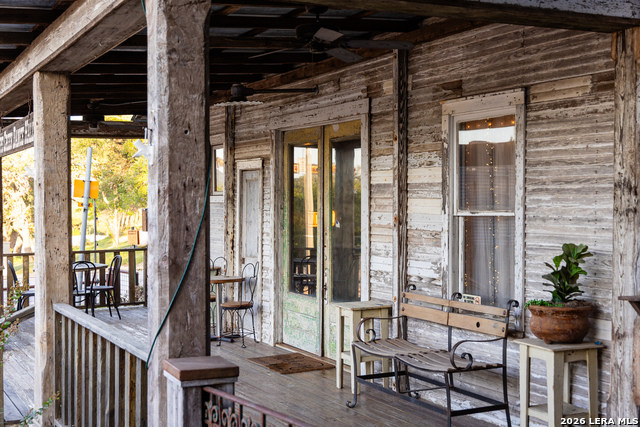
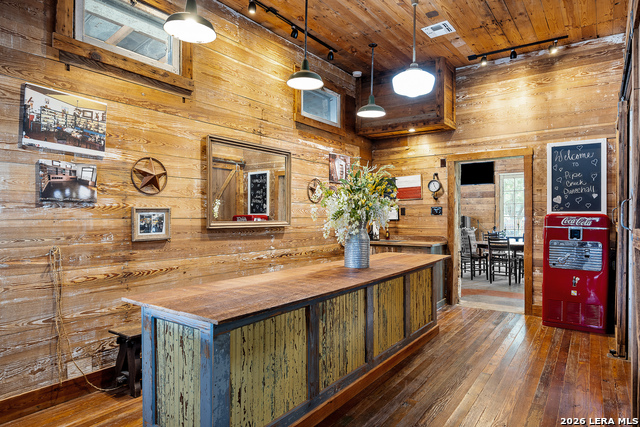
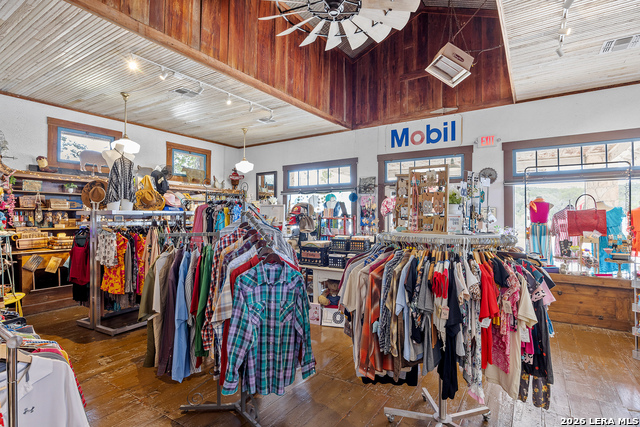
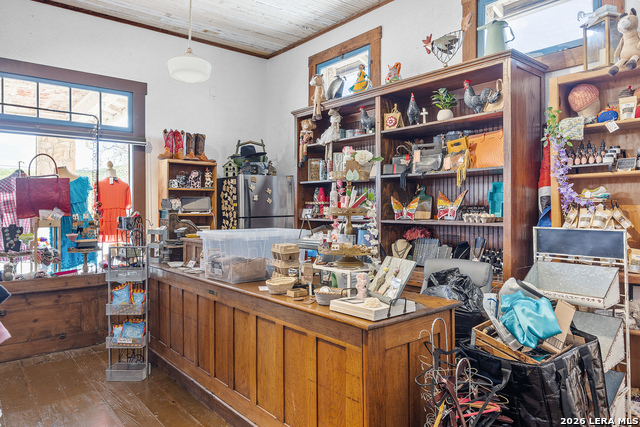
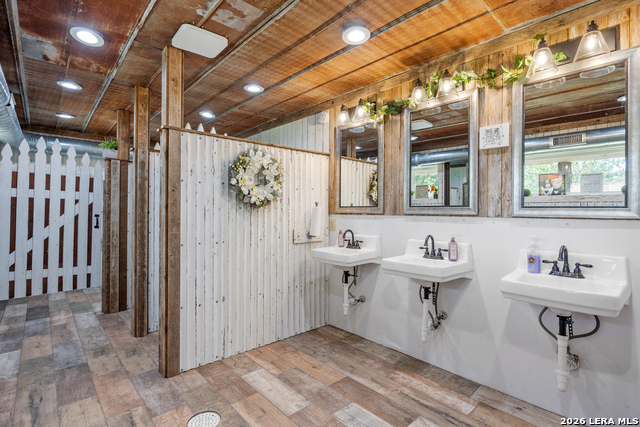
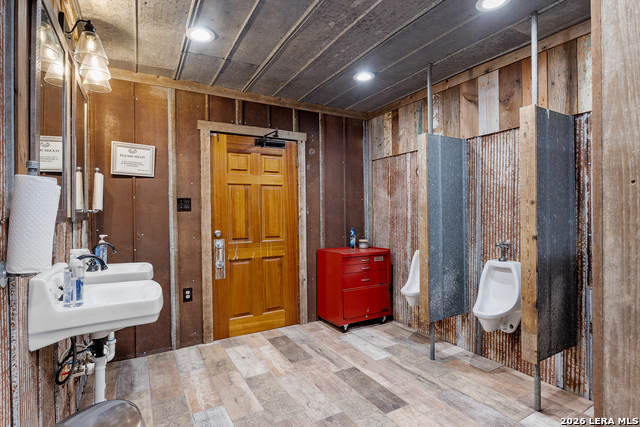
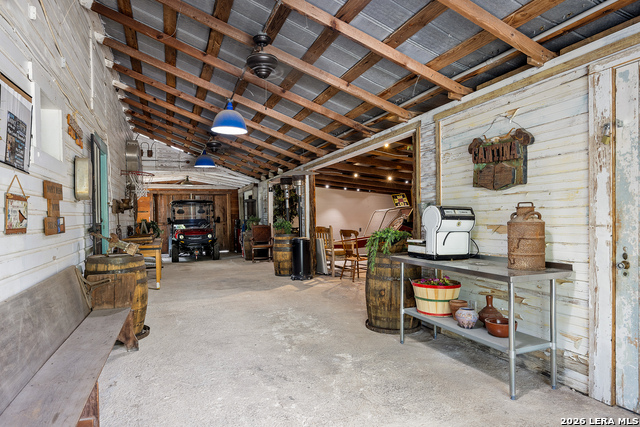
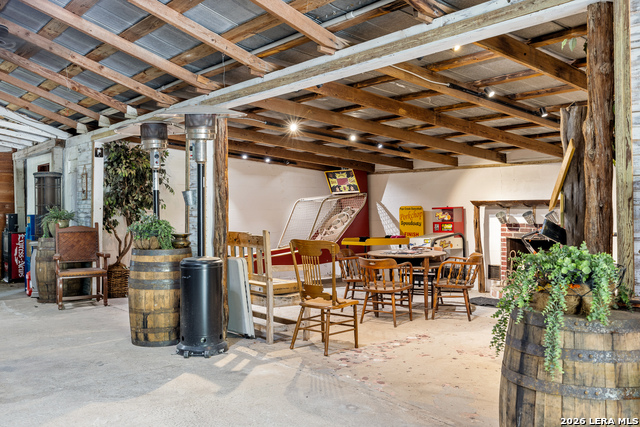
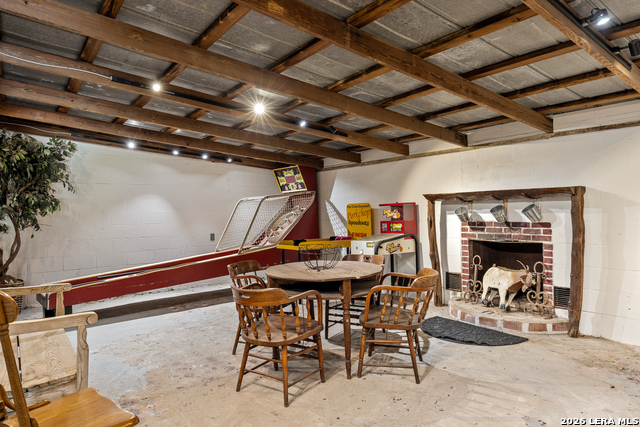
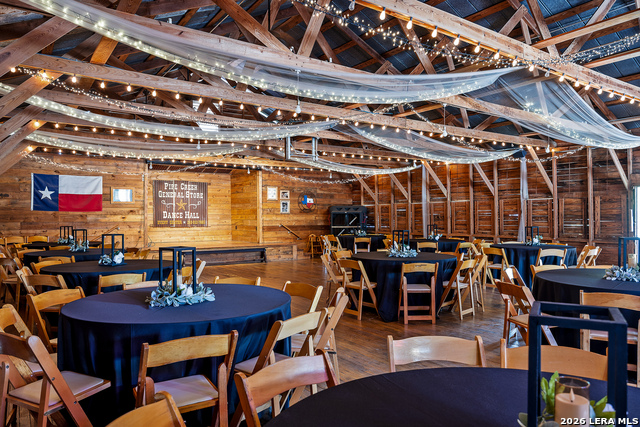
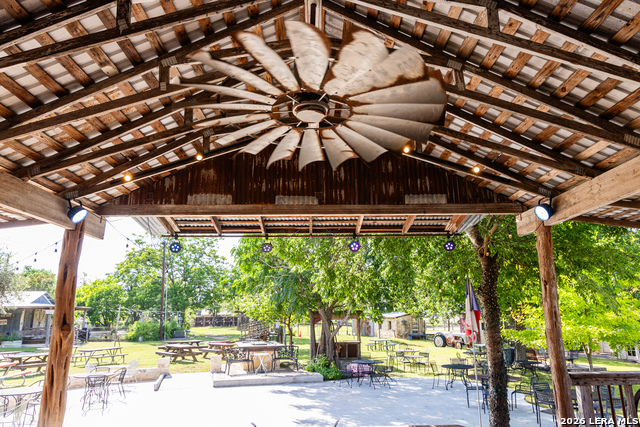
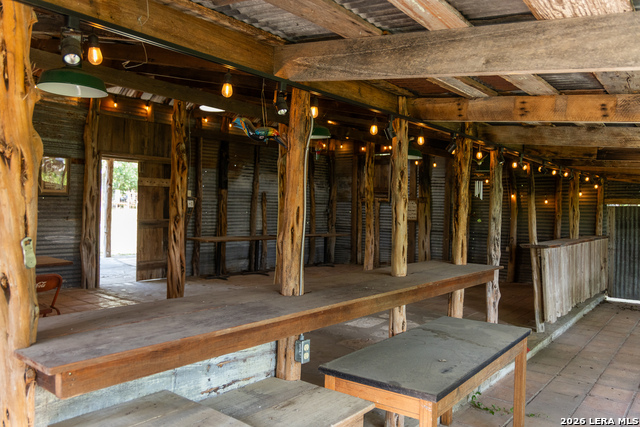
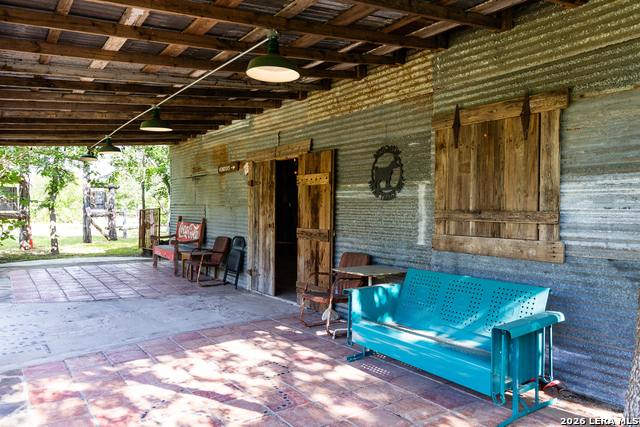
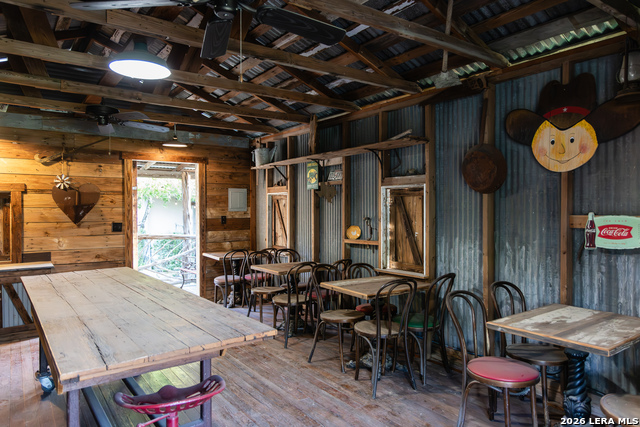
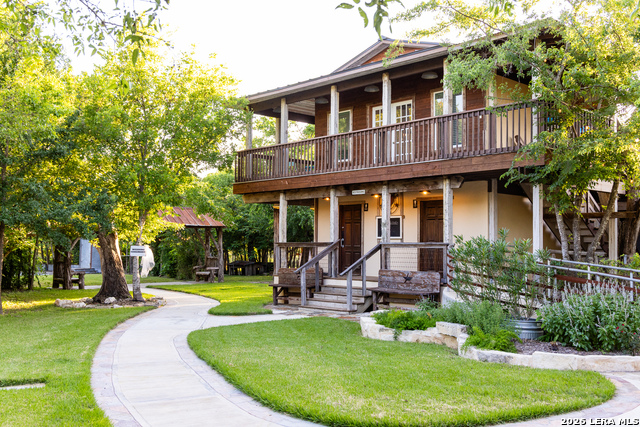
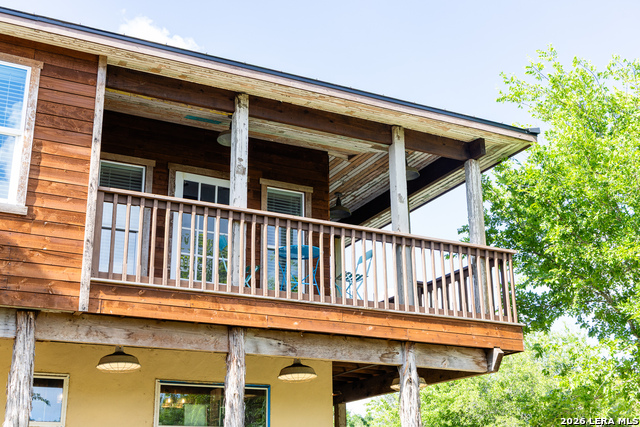
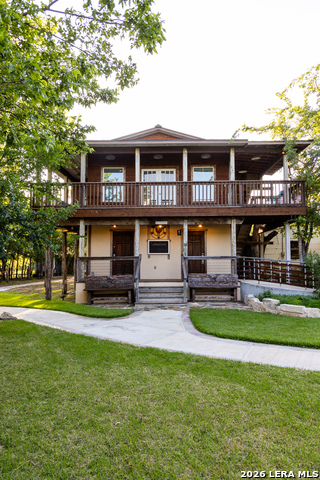
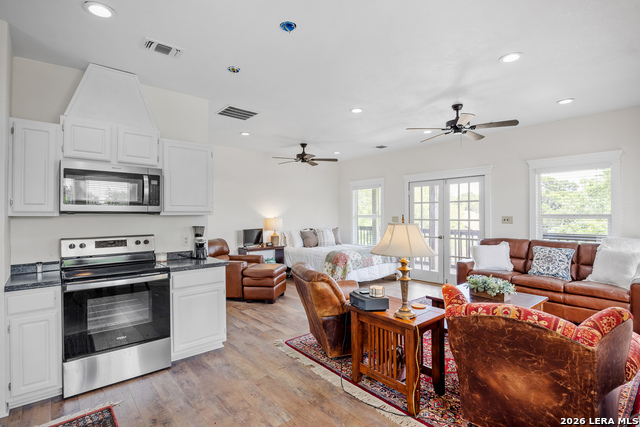
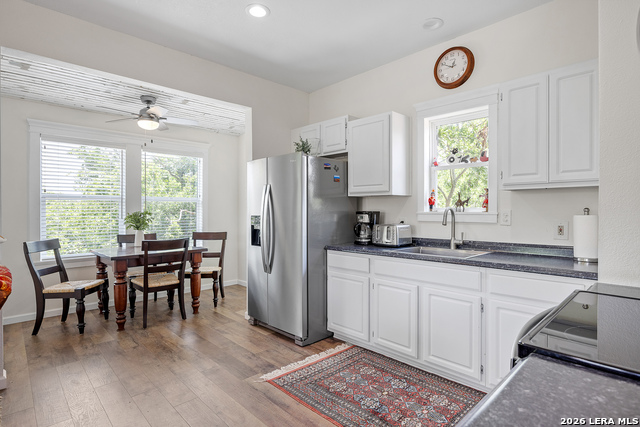
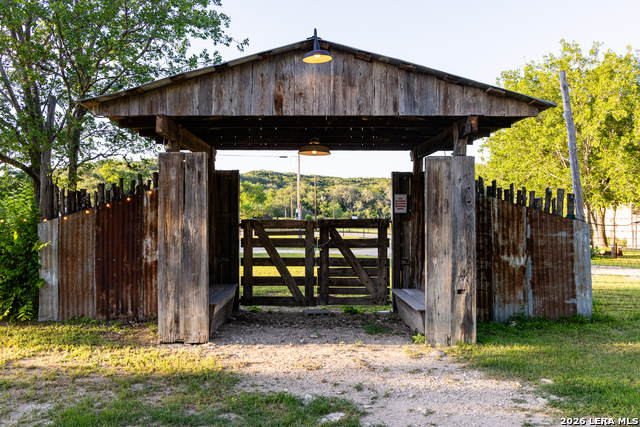
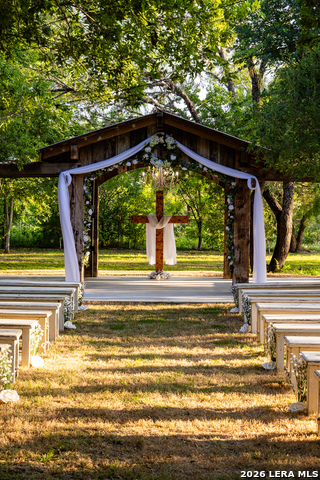
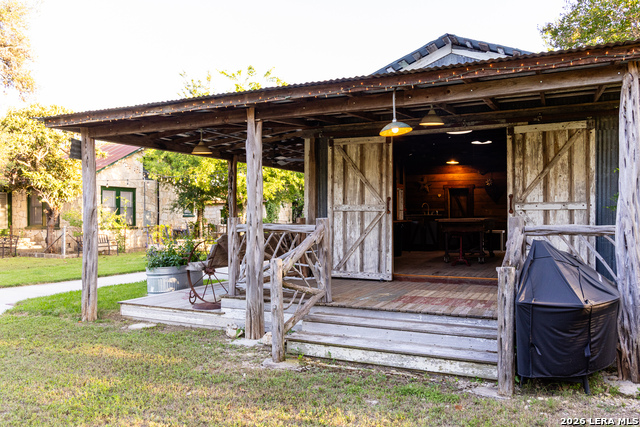
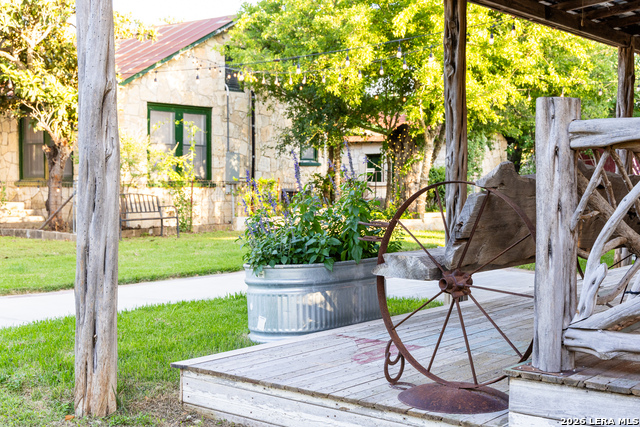
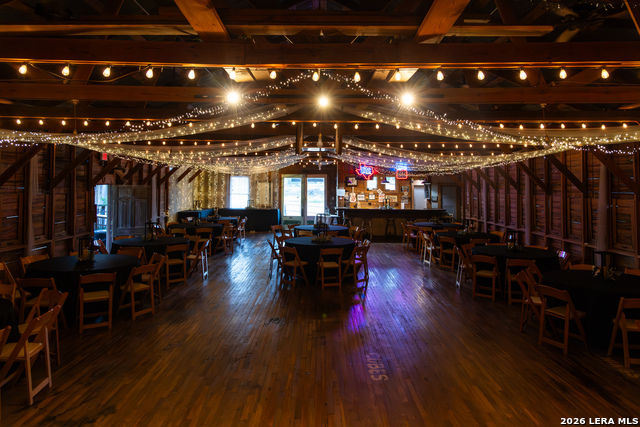
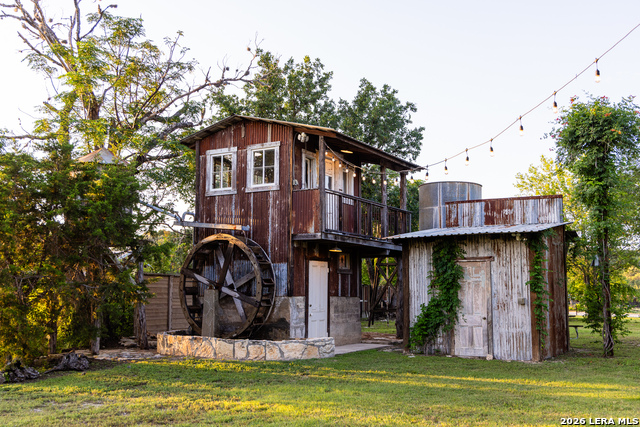
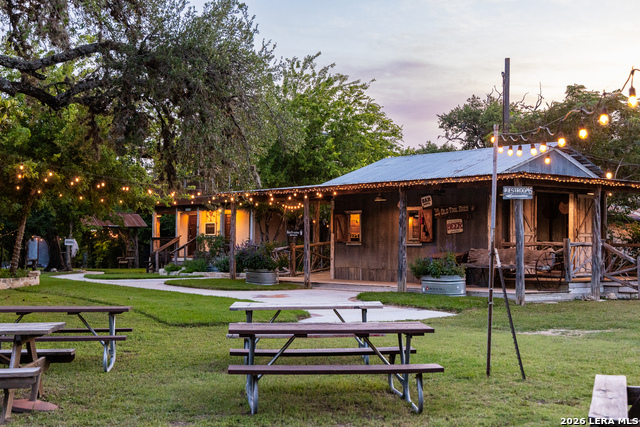
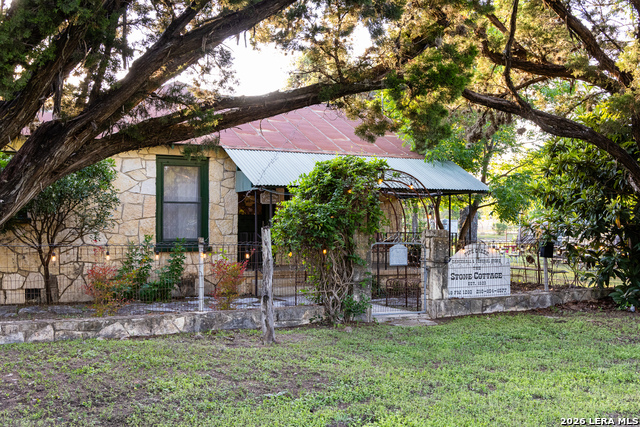
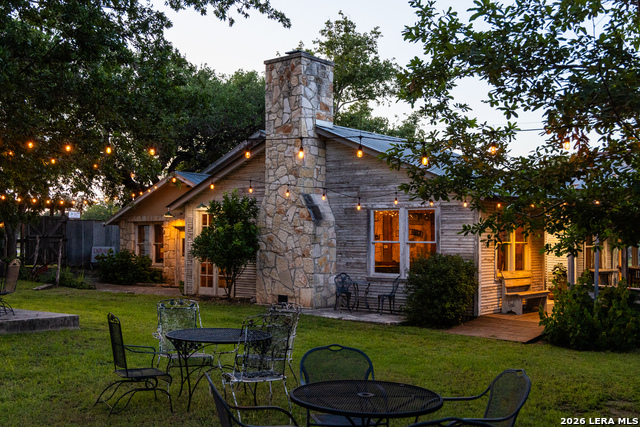
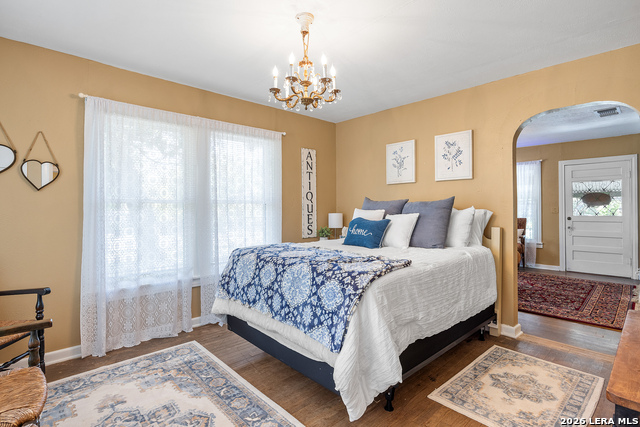
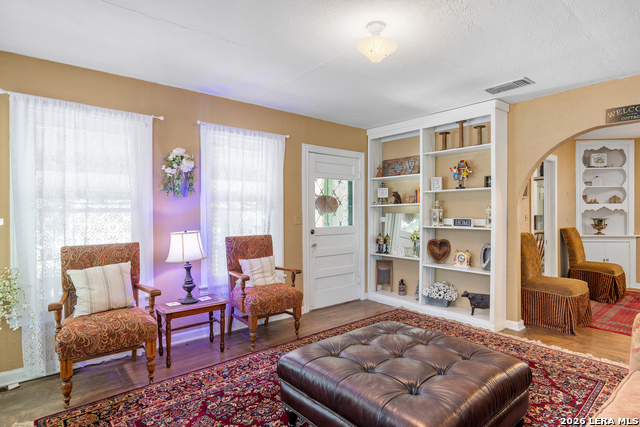
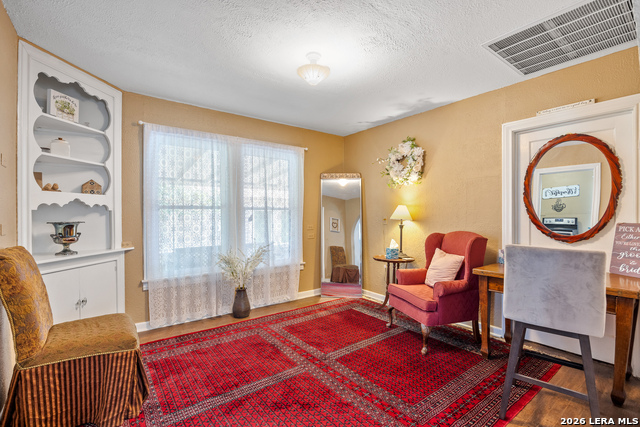
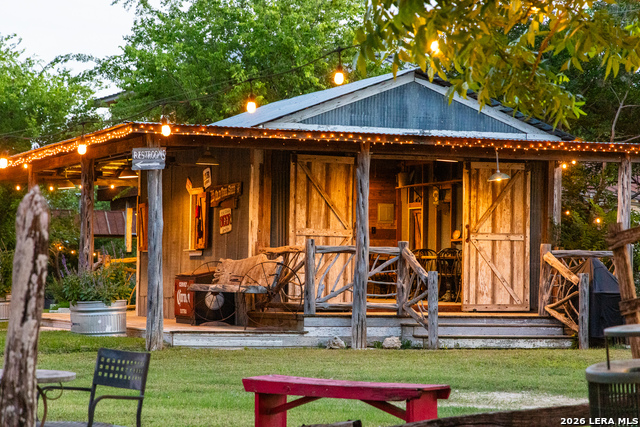
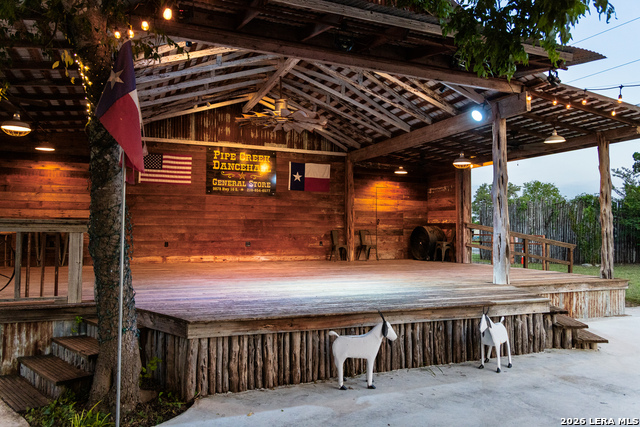
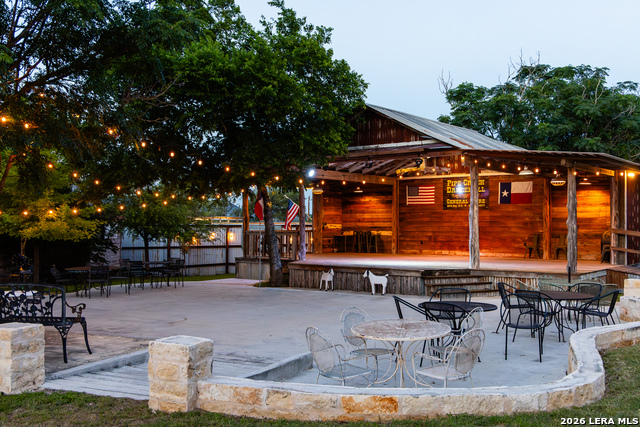
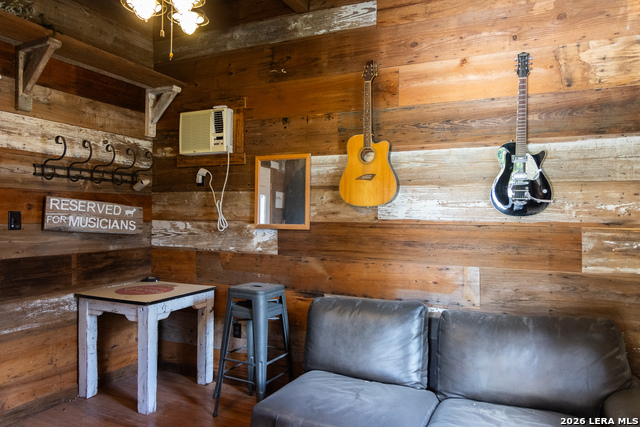
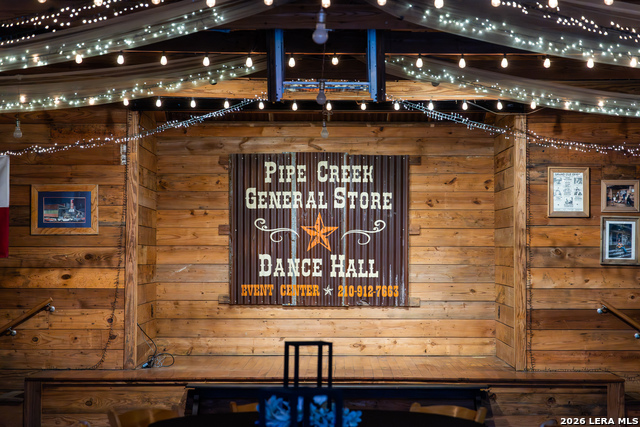
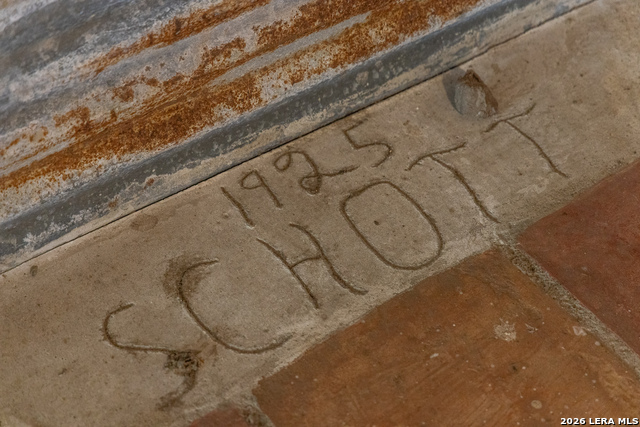
Out along Highway Sixteen... where the Hill Country starts to feel like the Hill Country... there's a place that's been gathering folks for better than a hundred years. This was Lipan Apache country, once. Today it's Pipe Creek, Texas - twenty miles from Helotes, eight miles shy of Bandera, the Cowboy Capital of the World. The general store went up in the late eighteen-hundreds. Feed, supplies... and a reason for the whole ranching community to come to town. In nineteen-thirty, they built the dance hall onto the side. Electricity showed up ten years after that. Folks danced here. Worshipped here. Watched movies. Even skated. In 'forty-four the cafe moved in - and stayed the better part of fifty years. Two-thousand-thirteen, the doors closed. And then somebody who loved it bought it - and put it back. Foundations, stabilized. Plumbing, septic, water, electrical - all of it, new. Central air. ADA restrooms. An expanded dining room. A grand fireplace and a chandelier that make the old room feel like a lodge. Every bit of it done in period... with everything a modern operator needs, hid behind the walls. Outside: oaks and pecans. Picnic tables. A concrete dance floor, and a stage under open sky. Three acres. Four buildings - the store and hall, a restored nineteen-thirties stone cottage, the old carriage house, and apartments for lodging. Chicken coops. A silo. What's left of a cotton gin. A stone chimney from the eighteen-hundreds. And no zoning restrictions. None. So the question isn't what this place was. It's what you'd make of it.
About this property
Out along Highway Sixteen... where the Hill Country starts to feel like the Hill Country... there's a place that's been gathering folks for better than a hundred years. This was Lipan Apache country, once. Today it's Pipe Creek, Texas - twenty miles from Helotes, eight miles shy of Bandera, the Cowboy Capital of the World. The general store went up in the late eighteen-hundreds. Feed, supplies... and a reason for the whole ranching community to come to town. In nineteen-thirty, they built the dance hall onto the side. Electricity showed up ten years after that. Folks danced here. Worshipped here. Watched movies. Even skated. In 'forty-four the cafe moved in - and stayed the better part of fifty years. Two-thousand-thirteen, the doors closed. And then somebody who loved it bought it - and put it back. Foundations, stabilized. Plumbing, septic, water, electrical - all of it, new. Central air. ADA restrooms. An expanded dining room. A grand fireplace and a chandelier that make the old room feel like a lodge. Every bit of it done in period... with everything a modern operator needs, hid behind the walls. Outside: oaks and pecans. Picnic tables. A concrete dance floor, and a stage under open sky. Three acres. Four buildings - the store and hall, a restored nineteen-thirties stone cottage, the old carriage house, and apartments for lodging. Chicken coops. A silo. What's left of a cotton gin. A stone chimney from the eighteen-hundreds. And no zoning restrictions. None. So the question isn't what this place was. It's what you'd make of it.
Features and Additional Information
Presented By Coldwell Banker Commercial Gateway


Want to See More Listings in the Area?
Brokerage: JVL Real Estate